Eight people, including a 10-year-old girl, were killed and five seriously injured in a collision between a minibus taxi and a truck near Potchefstroom, North West, in the early hours of Friday.
Nomantu Nkomo-Ralehoko was appointed in April 2026 as the MEC for social development, making explicit commitments — such as not returning a cent to the Treasury that was meant for the Gauteng population.
Steenhuisen calls for acceleration of regional fertiliser reforms and disease control
Agriculture Minister John Steenhuisen has called on Southern African Development Community (SADC) Member States to urgently accelerate regional cooperation on food security, fertiliser regulation, and animal disease control amid mounting economic and climate pressures across the region.
The Shangri-La Dialogue, hosted by the International Institute for Strategic Studies, will also address tensions in the Middle East and Russia’s war on Ukraine.
Israel and Lebanon officials are set to meet today as U.S.-Iran peace talks continue. And, a federal judge declined to block Trump’s executive order restricting mail-in voting.
A Russian drone that was part of an overnight attack on Ukraine crashed into an apartment building in eastern Romania, injuring two people, Romanian authorities said Friday.
Eswatini has signed a $300 million agreement with Taiwan to build a massive strategic oil reserve but the project is raising difficult questions in a country battling deepening poverty, soaring unemployment and allegations of elite enrichment
Former Italy under-21 international Cristian Volpato switches allegiance to Australia days before the Socceroos announce their squad for the 2026 Fifa World Cup.
[Africa Check] IN SHORT: A viral Facebook post claims a Tanzanian graduate used his degree certificate to wrap his breakfast. But the image has been substantially manipulated and the University of Dar es Salaam have denied issuing the certificate.
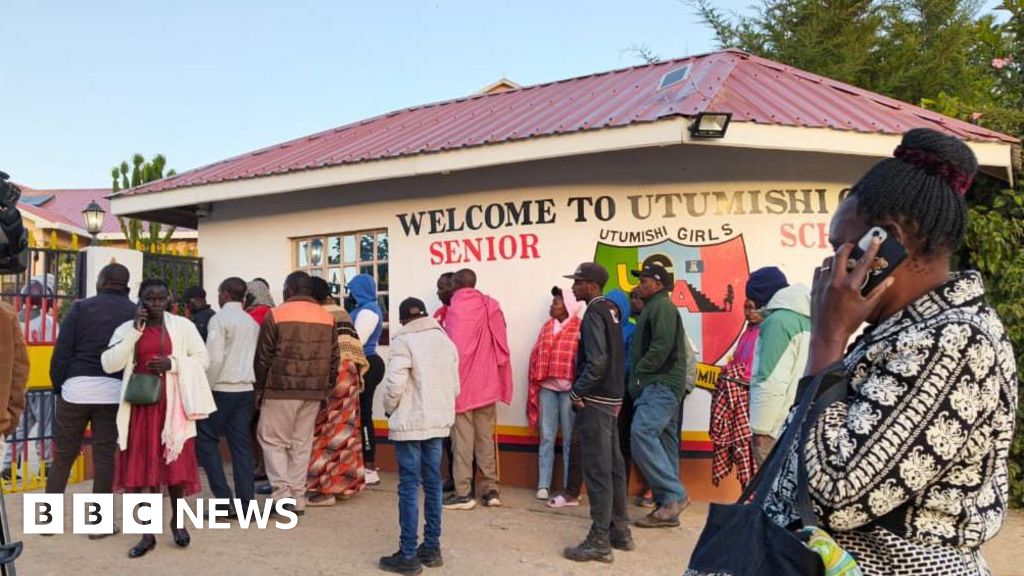
[Capital FM] Nairobi — The government has dissolved the Board of Management of Utumishi Girls Academy for failing to enforce compliance with school safety regulations following yesterday’s dormitory fire that led to the death of 16 students.
[Parliament of South Africa] Student debt has become a major concern affecting the whole post-school education system value chain. Everyone is affected, not just students and university administrations but also government revenue. Universities withhold certificates and academic records when students do not pay their debts. These same students are then caught in a vicious circle, as they are...
[New Times] Recently, someone introduced an unusual philosophy during a business discussion. He asked me whether I had ever herded cows. For him, it is difficult to trust an African who has never herded cows. According to my prospective business associate, cows teach patience, resilience, and royalty – qualities he considers essential for building lasting relationships.
The Department of Forestry, Fisheries and the Environment has issued an urgent warning to the public not to harvest or consume wild shellfish from Saldanha Bay.
Building a proprietary financial or gaming platform from scratch used to be a badge of honor. Founders would spend eighteen months raising capital, hiring engineering teams, and arguing over database architecture before writing a single line of client-facing code. In the current market, that approach is financial suicide. Investors are exhausted by long development cycles, […]
Model created by researchers shows better outcomes are often more likely when people are not too ambitious
It is the end of an idiom for motivational speakers. Instead of shooting for the moon when pursuing life’s goals, researchers say people should be advised to aim a little lower if they want the best outcome.
The tip may lack the punch of uncompromising drive, but aiming for merely above...
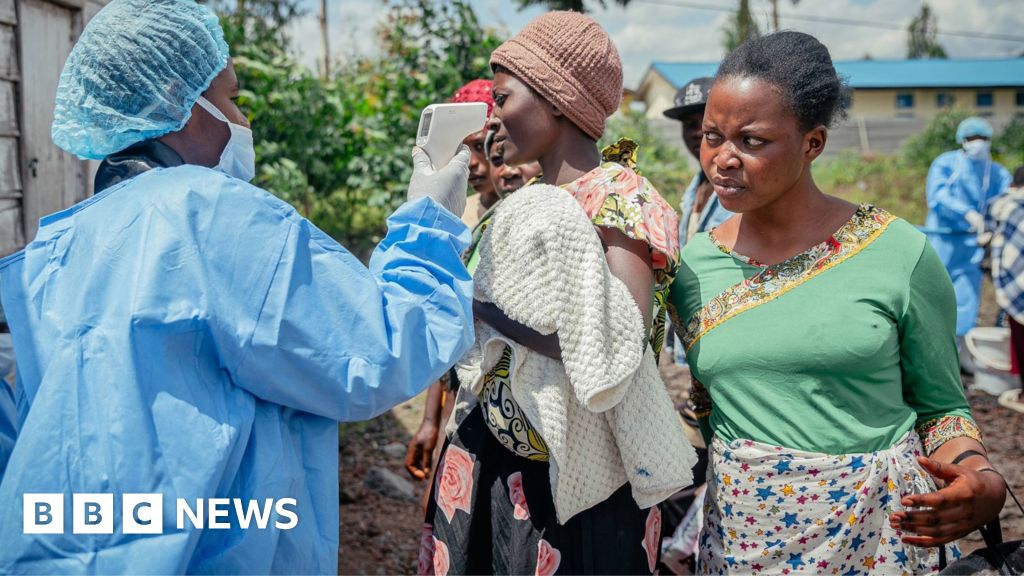
The order came after U.S. officials said that a 50-bed facility was being established in the African country to house American citizens exposed to the virus.
The babies were part of a vaccine trial for a respiratory virus in the 1960s and died shortly after. Their families said they had been unaware of the trial until recently.
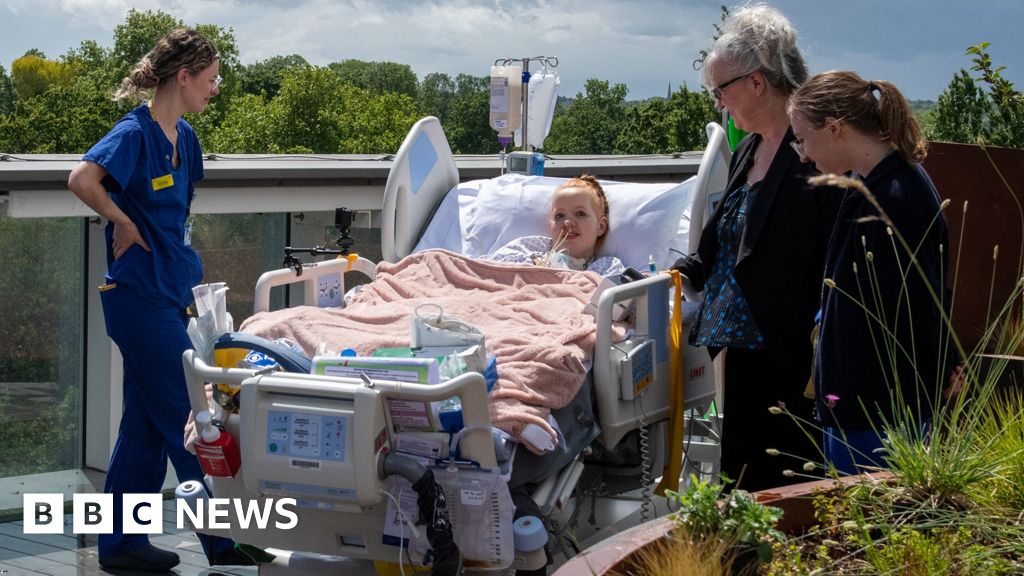
Still in her hospital bed, connected to feeding tubes and life support, Hollie is the first patient to try out the new intensive care rooftop ward at King’s College Hospital in south London.