
Australian woman charged over travel to Syria to join Islamic State
The arrest came eight months after she returned to Australia with her children from Lebanon.
FRIDAY, 07 AUGUST 2026, 15:15
The arrest came eight months after she returned to Australia with her children from Lebanon.

Until now, only Orthodox Jewish men in Israel have been allowed to take exams to become rabbis. After a long campaign, women can now also take the test – but still can’t become rabbis

The U.S. says it has struck Iran again as peace talks continue to end the conflict. And, the federal government has charged a Google staffer for allegedly using insider information in Polymarket trades.

Bangladesh is scrambling to vaccinate more children amid a measles outbreak that has killed more than 500 people, most of them children.
In Colombia’s election this Sunday, a flamboyant criminal lawyer — who flaunts his wealth, machismo and even his music videos — is pitching himself as the toughest candidate on crime.
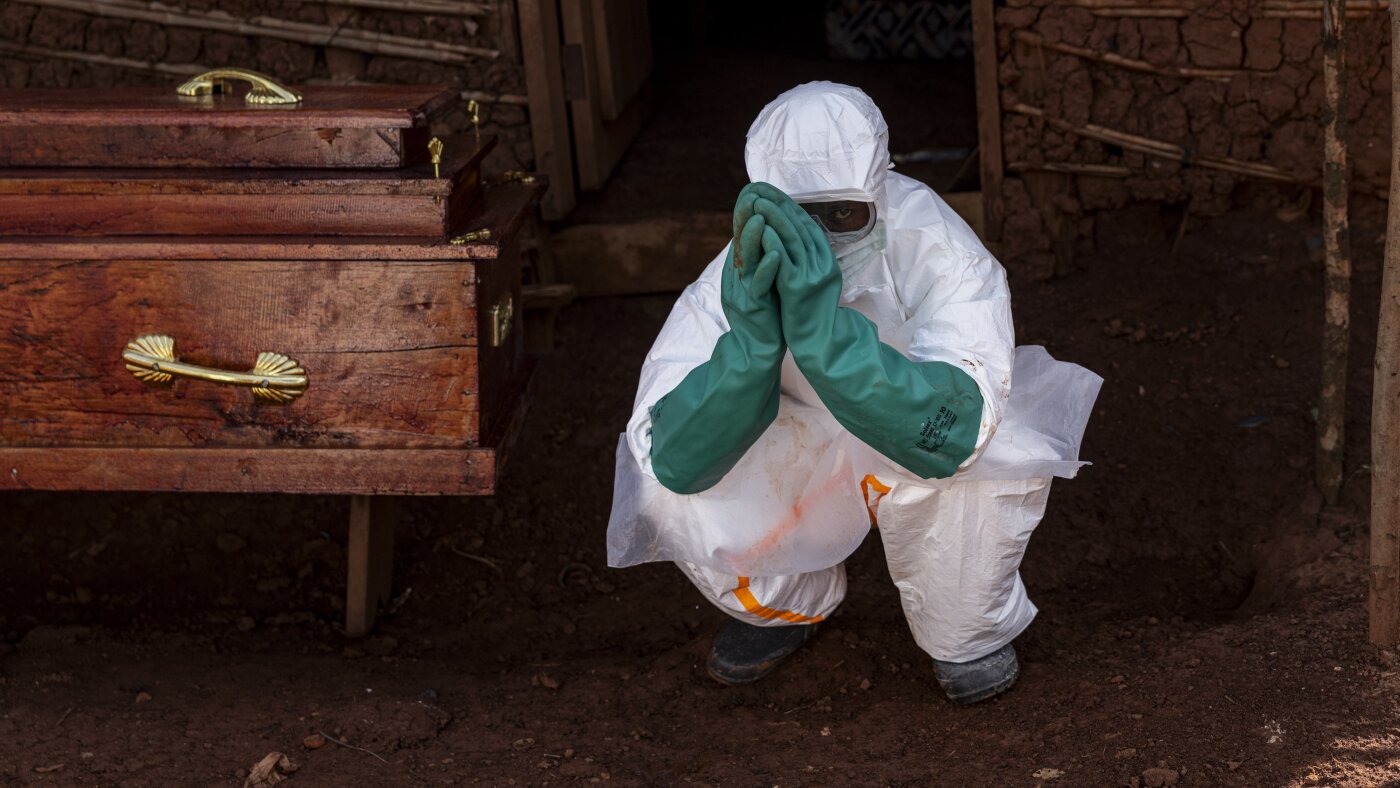
The epicenter of the Ebola outbreak is in Mongbwalu, a poor gold-mining town of 130,000 people, in Ituri province, in eastern Congo.

Colombians head to the polls Sunday as candidates clash over how to tackle crime, armed groups, and social reform—from dialogue to an iron-fisted crackdown.
As the global economy focuses on the Strait of Hormuz crisis, another shipping crisis looms in the region — the return of Somali pirates.

Iranians began to regain internet access after authorities ended a monthslong shutdown. Users said service was slow and spotty in some areas, with apps like YouTube and Instagram heavily restricted.

Music is interwoven with the sounds of daily life in this West African island nation, which hosted two international music festivals in April and has been named the African Capital of Culture for 2028.

Palestinians in the West Bank live amid garbage following Israeli restrictions. Two Palestinian entrepreneurs are trying to make a change.

President Trump will meet with his Cabinet on Wednesday at a precarious moment for talks aimed at ending the war with Iran. The emerging deal has already exposed the president to fierce criticism.
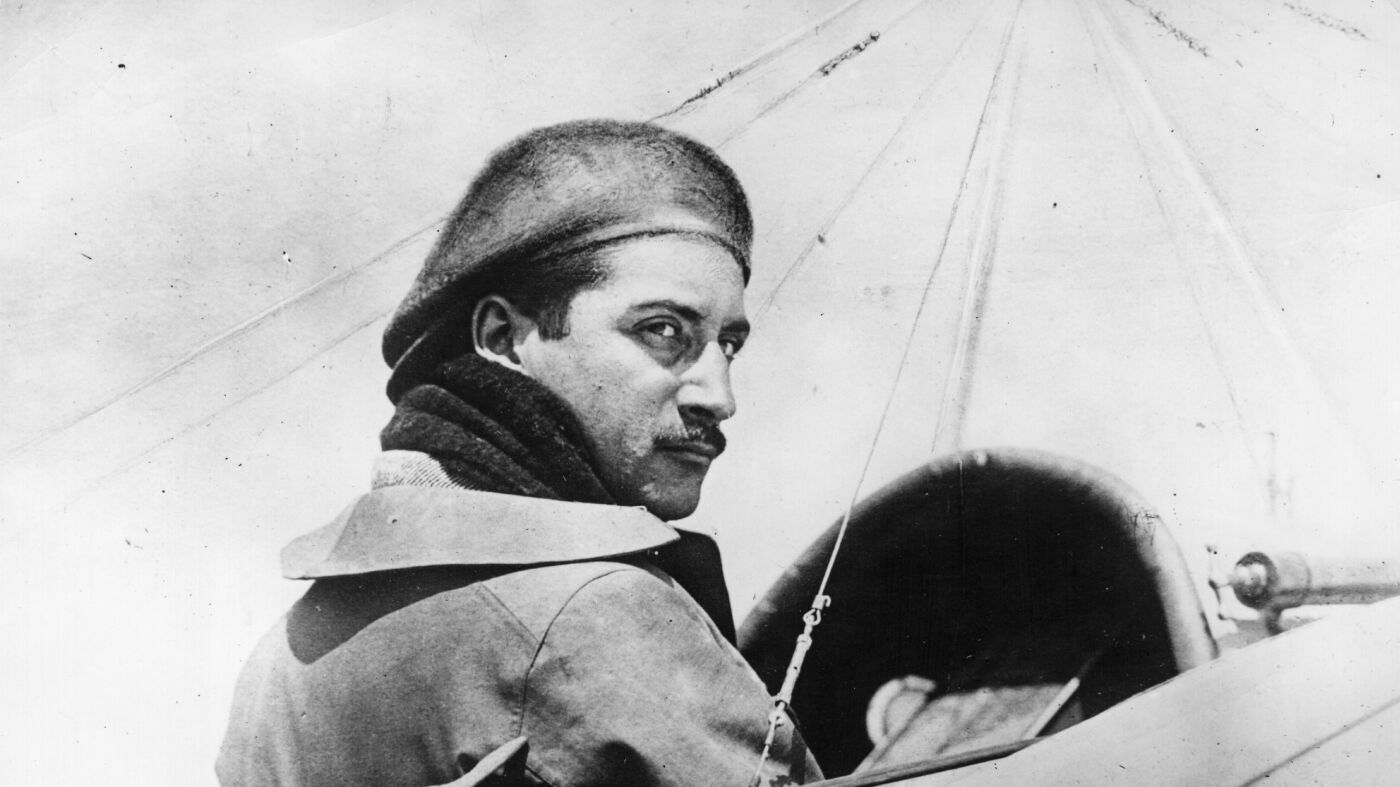
Roland Garros, a WWI-era pilot, is credited with revolutionizing aerial combat. The major Paris tennis tournament was named after him in 1928, a decade after his death in combat.

Temperature records are breaking and triggering government warnings, with London hitting 95 degrees the past two days. Experts say unpredictable and extreme weather is becoming more frequent.

Israel says it will intensify attacks against Hezbollah in Lebanon and U.S. military struck Iranian boats and missile launch sites as envoys continued negotiations for a deal that would end the three-month war.
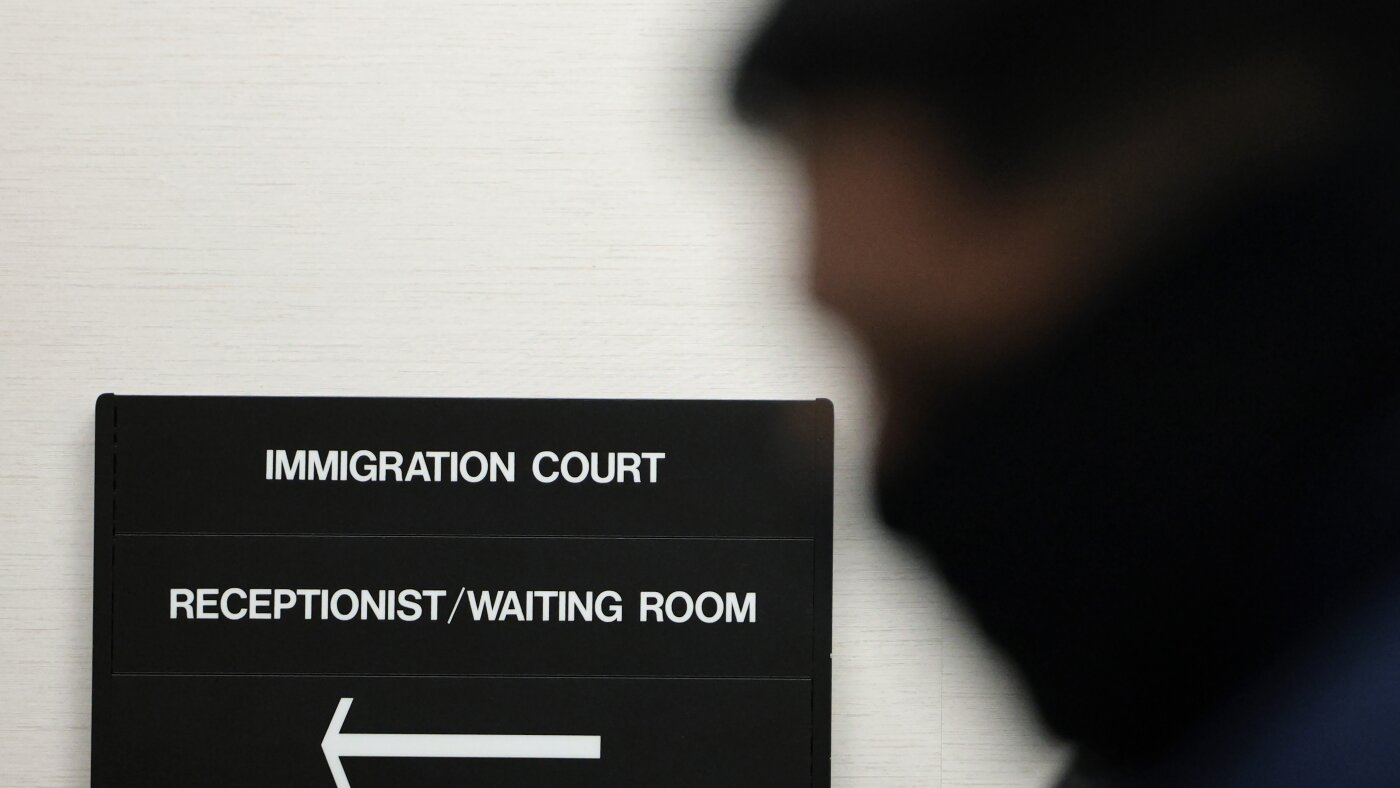
The U.S. military has launched new attacks on Iran while talks to end the conflict are ongoing. And, the Department of Justice is using a new tactic in immigration courts to accelerate deportations.
Survivors of a suspected drone strike while fishing in the Eastern Pacific seek restitution after claiming they were forced onto a boat and handed over to Salvadoran officials, with no charges filed.
As Kyiv recovers from a Russian attack that hit every district in the Ukrainian capital, Ukraine continues long-range strikes on Russia’s war machine even as the Kremlin threatens more strikes.
How desperate is Russian President Vladimir Putin to get a decisive win in Ukraine? NPR’s Steve Inskeep asks Hanna Notte of the James Martin Center for Nonproliferation.

Three times in the past week, healthcare facilities have been attacked. On Sunday, angry young men stormed a hospital treating Ebola patients, forcing medical staff to evacuate them as gunfire rang out.

Hoping to make the roster for the U.S. Men’s National team going to the World Cup, Tim Ream knows there’s a lot riding on the tournament, from playing well to growing a new generation of fans at home.